Introduction
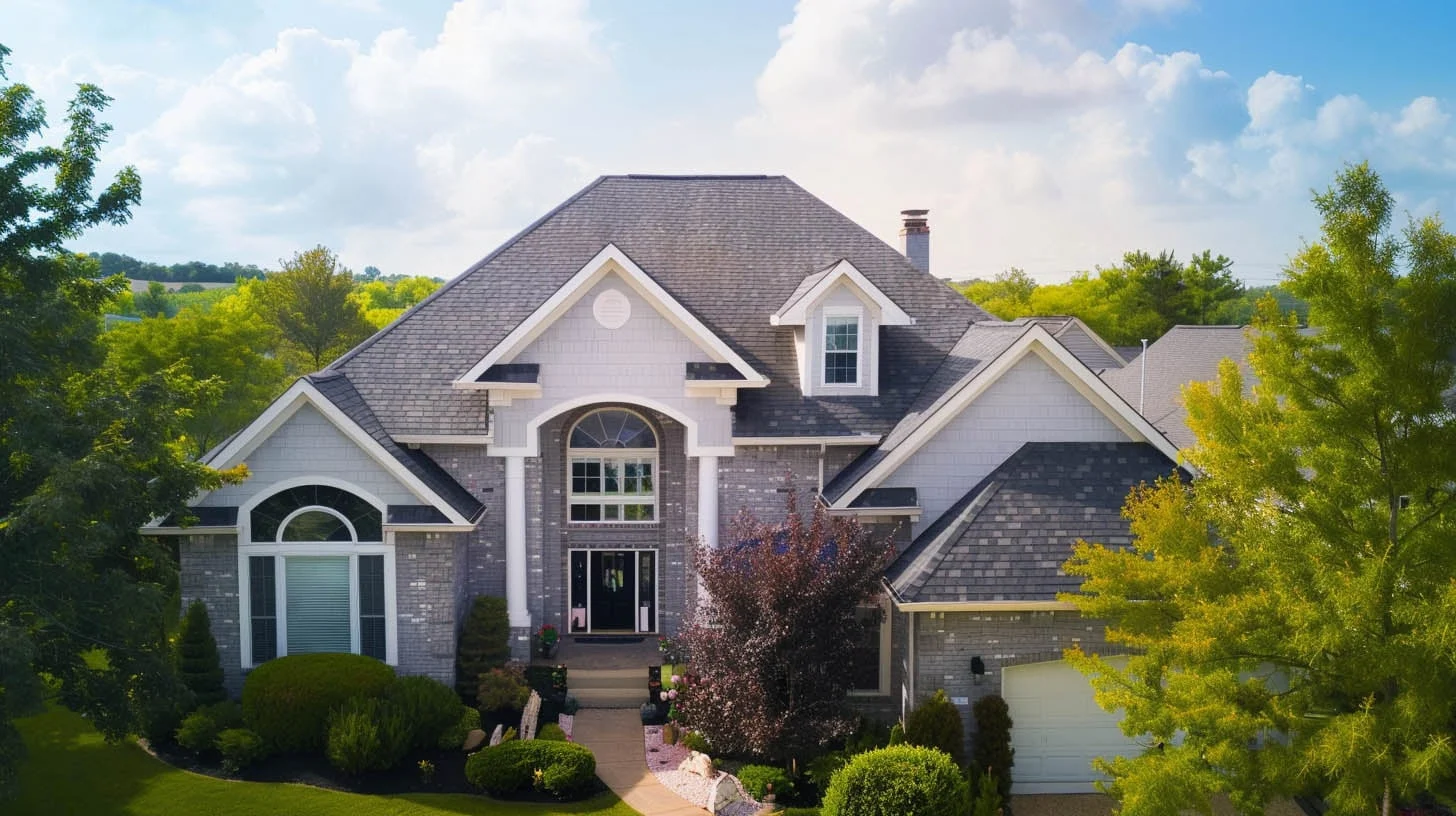
When buying a property, many buyers focus on the interior appearance of the home, such as room layout, decoration, and modern fittings. However, one of the most important parts of a property is often overlooked — the roof.
The roof protects the entire structure of the building from weather exposure. If the roof is damaged or deteriorating, it can lead to a range of costly problems, including damp, structural damage, and internal deterioration.
Because roof repairs can be expensive, identifying potential issues before purchasing a property is extremely important. This is why many buyers arrange a Level 2 Homebuyer Survey or a Level 3 Building Survey before completing the purchase.
A professional inspection can help identify roof defects and provide guidance on potential repair requirements.
The Roof Is One of the Most Important Structural Elements
The roof plays a vital role in protecting the property from rain, wind, and temperature changes.
A well-maintained roof prevents water from entering the building and protects internal structures such as timber beams, ceilings, and insulation.
If a roof becomes damaged or deteriorates over time, water penetration can lead to problems such as:
- Damp within the property
- Timber decay
- Damage to ceilings and plasterwork
- Structural deterioration
Because the roof is exposed to weather conditions throughout the year, it requires regular maintenance.
Many Roof Problems Are Not Visible During a Viewing
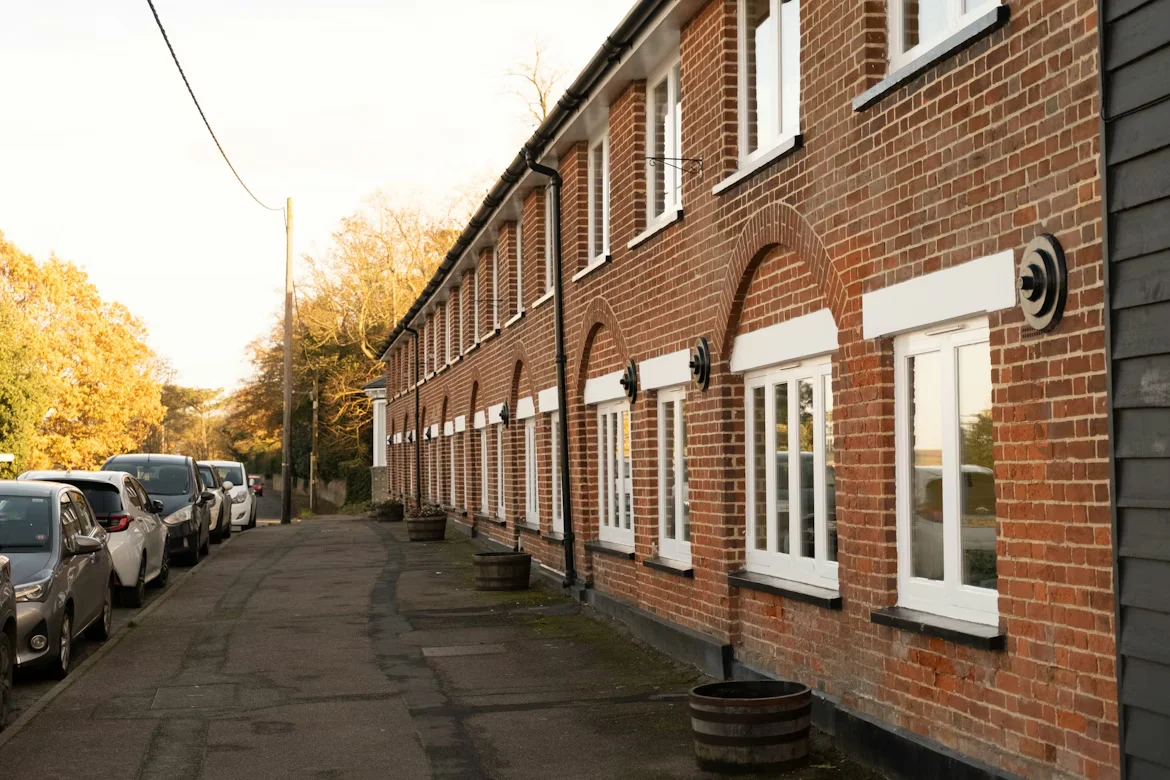
During a normal property viewing, buyers rarely have the opportunity to inspect the roof closely.
In many cases, the roof may only be visible from ground level, making it difficult to identify potential defects.
Problems such as damaged flashing, deteriorating roof timbers, or minor leaks may not be visible during a viewing.
A professional survey allows the roof structure to be inspected more carefully, particularly if access to the roof space is available.
Common Roof Defects Found in Property Surveys
Surveyors frequently identify a range of roof-related defects during property inspections.
Common problems include:
- Missing or damaged roof tiles
- Cracked or slipped slates
- Damaged flashing around chimneys
- Sagging roof structures
- Deterioration of roof timbers
These defects may develop gradually over time as roofing materials age and weather conditions take their toll.
Ageing Roofing Materials
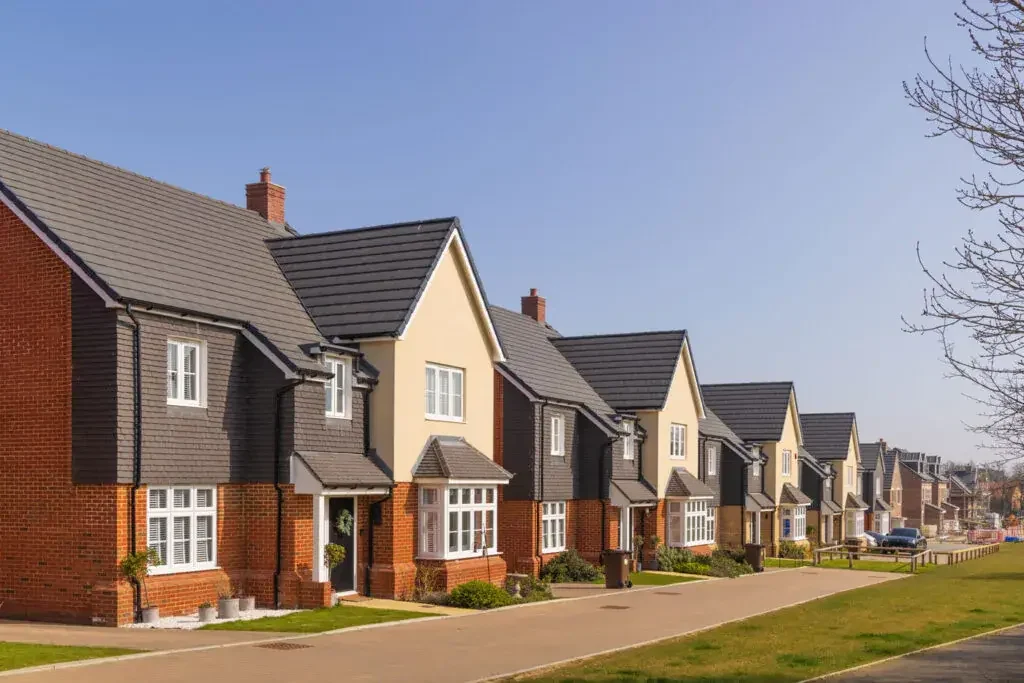
Roofing materials have a limited lifespan.
Traditional materials such as slate and clay tiles can last many decades, but they may still require maintenance as they age.
Over time, roofing materials may:
- Become loose or displaced
- Develop cracks or surface deterioration
- Lose their ability to protect the building from water
If roofing materials are nearing the end of their lifespan, replacement or repair may be necessary.
Water Penetration and Damp Problems
One of the most serious consequences of roof damage is water penetration.
Even small roof defects can allow rainwater to enter the structure of the building.
Water penetration may lead to:
- Damp patches on ceilings
- Staining on internal walls
- Damage to insulation
- Timber decay within roof structures
If water penetration continues over a long period, the resulting damage may become expensive to repair.
Roof Structure Problems
The structural framework of the roof is just as important as the roof covering itself.
Roof structures are typically constructed using timber beams and rafters. Over time, these timbers may be affected by moisture, decay, or structural movement.
Surveyors will assess the condition of the roof structure where accessible, particularly within the loft space.
Signs of structural problems may include:
- Sagging rooflines
- Distorted timbers
- Evidence of water damage within the loft
A Level 3 Building Survey provides a more detailed inspection of roof structures, particularly in older properties.
Why Roof Repairs Can Be Expensive
Roof repairs can vary significantly in cost depending on the extent of the problem.
Minor repairs such as replacing individual roof tiles may be relatively inexpensive. However, more serious problems involving structural timber or extensive roof replacement can be costly.
Because of this, identifying roof problems before purchasing the property is particularly important for buyers.
A professional survey helps buyers understand potential repair costs before committing to the purchase.
The Importance of a Professional Survey
A property survey provides valuable insight into the condition of the roof and the overall structure of the building.
A Level 2 Homebuyer Survey can identify visible roof defects and highlight areas that may require maintenance.
A Level 3 Building Survey provides a more detailed inspection and is often recommended for older properties where roof structures may require closer examination.
Arranging a professional survey allows buyers to understand the true condition of the property before completing the purchase.
Final Thoughts
The roof is one of the most important parts of any property, yet it is often overlooked during the buying process.
Older roofs may develop defects over time, particularly due to long-term exposure to weather conditions.
By arranging a professional property survey, buyers can identify potential roof problems early and avoid unexpected repair costs after purchasing the property.
Need a Property Survey?
If you are purchasing a property and would like professional advice on its condition, our experienced surveyors can assist.
MSR Surveying provides:
Contact our team today to request a quotation and arrange your survey.
For current prices, see our RICS survey costs page.
Still have questions? We answer 46 of the questions buyers and owners ask us most — which survey to choose, what Level 2 and Level 3 cover, fees, certificates, damp and party wall matters — in one place: RICS survey questions, answered.