Introduction
When buying a property, one of the biggest concerns for buyers is the potential cost of repairs. While a property may appear to be in good condition, underlying defects can lead to significant expenses after purchase.
Understanding the real cost of property defects is essential for making an informed decision.
This is why many buyers arrange a Level 2 Homebuyer Survey or a Level 3 Building Survey. A professional inspection helps identify issues early and provides guidance on potential repair requirements.
In this guide, we break down the typical costs associated with common property defects and explain how a survey can help you avoid unexpected expenses.
Why Repair Costs Can Vary
The cost of repairing property defects depends on several factors:
- The severity of the issue
- The size of the property
- Accessibility of the affected area
- The type of materials used
Minor issues may be relatively inexpensive, while major structural problems can involve significant costs.
Damp and Moisture Problems
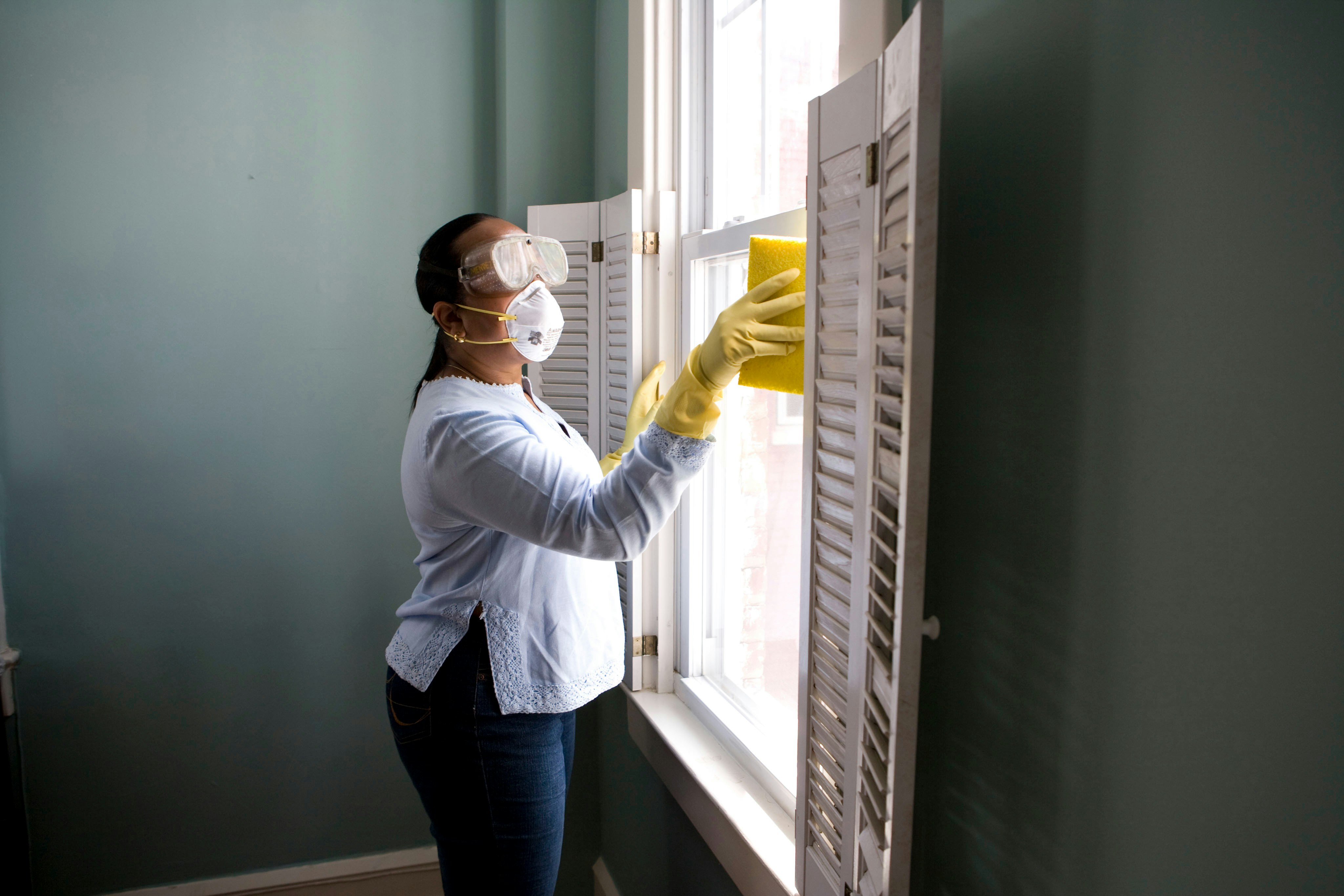
Damp is one of the most common issues found in properties.
Typical costs may include:
- Damp treatment: £500 – £3,000+
- Plaster repairs: £500 – £2,000
- Ventilation improvements: varies
If damp is widespread, costs can increase significantly.
Roof Repairs and Replacement
Roof defects can range from minor repairs to full replacement.
Typical costs may include:
- Minor repairs: £300 – £1,500
- Roof repairs: £1,500 – £5,000
- Full roof replacement: £5,000 – £15,000+
Roof work can be one of the most expensive repairs in a property.
Structural Repairs
Structural issues can be complex and costly.
Typical costs may include:
- Crack repairs: £500 – £2,500
- Structural reinforcement: varies
- Foundation work: £10,000+ depending on severity
The cost depends heavily on the nature of the problem.
Electrical System Upgrades
Older properties may require electrical upgrades.
Typical costs may include:
- Minor electrical repairs: £200 – £1,000
- Full rewiring: £3,000 – £8,000+
Electrical safety is an important consideration for buyers.
Plumbing Repairs
Plumbing issues can also vary in cost.
Typical costs may include:
- Minor repairs: £150 – £1,000
- Pipe replacement: £1,000 – £5,000+
- Major plumbing work: varies
Hidden plumbing issues can increase costs.
Drainage Repairs
Drainage problems can be difficult to identify without a survey.
Typical costs may include:
- Minor drainage repairs: £300 – £1,500
- Drain unblocking: £100 – £500
- Drain replacement: £2,000 – £10,000+
Underground work can increase costs significantly.
Timber Decay and Infestation
Timber issues such as rot or woodworm can affect structural elements.
Typical costs may include:
- Treatment: £500 – £2,000
- Timber replacement: varies
If structural timbers are affected, costs may be higher.
Why These Costs Matter to Buyers
Understanding potential repair costs helps buyers:
- Budget for future expenses
- Assess whether the property is good value
- Decide whether to proceed with the purchase
Without this information, buyers may face unexpected financial pressure after completion.
How a Survey Helps You Save Money
A property survey helps identify defects before you commit to the purchase.
This allows buyers to:
- Renegotiate the purchase price
- Request repairs from the seller
- Plan for future maintenance
In many cases, the cost of the survey is small compared to the potential savings.
Example: Survey vs Repair Cost
Consider this scenario:
- Survey cost: £500 – £1,000
- Identified roof issue: £8,000 repair
In this case, the survey could save thousands of pounds by allowing you to renegotiate or reconsider the purchase.
Level 2 vs Level 3 Survey Considerations
A Level 2 Homebuyer Survey can identify visible defects and highlight potential costs.
A Level 3 Building Survey provides more detailed analysis and is particularly useful for estimating repair requirements in older or complex properties.
Choosing the right survey ensures you have accurate information.
Final Thoughts
Property defects can vary significantly in cost, from minor repairs to major structural work.
Understanding these costs is essential when buying a property.
A professional survey provides valuable insight into potential repair requirements and helps buyers avoid unexpected expenses.
Need a Property Survey?
If you are purchasing a property and want to understand potential repair costs, our experienced surveyors can assist.
MSR Surveying provides:
- Level 2 Homebuyer Surveys
- Level 3 Building Surveys
- Reinspection Surveys
- Professional Consultants Certificates (PCC)
Contact us today to request a quotation and arrange your survey.
Next step: our RICS survey costs page sets out what is covered and what it costs.
Still have questions? We answer 46 of the questions buyers and owners ask us most — which survey to choose, what Level 2 and Level 3 cover, fees, certificates, damp and party wall matters — in one place: RICS survey questions, answered.