Introduction
Converted flats are common in London and many UK cities, particularly in older properties that have been divided into multiple units. These flats can offer character, location advantages, and attractive pricing, but they can also come with unique risks.
Unlike purpose-built flats, converted properties may have been altered significantly from their original structure. This can introduce potential issues that are not immediately visible during a viewing.
This is why arranging a Level 2 Homebuyer Survey or, in many cases, a Level 3 Building Survey is particularly important when buying a converted flat.
In this guide, we explain what buyers should know before surveying a converted flat and what risks to look out for.
What Is a Converted Flat?
A converted flat is a property that was originally designed as a single house but has been divided into separate living units.
These properties are often:
- Period houses
- Older buildings with traditional construction
- Converted into two or more flats
While they can be appealing, the conversion process may affect the structure and layout of the building.
Structural Alterations Are Common
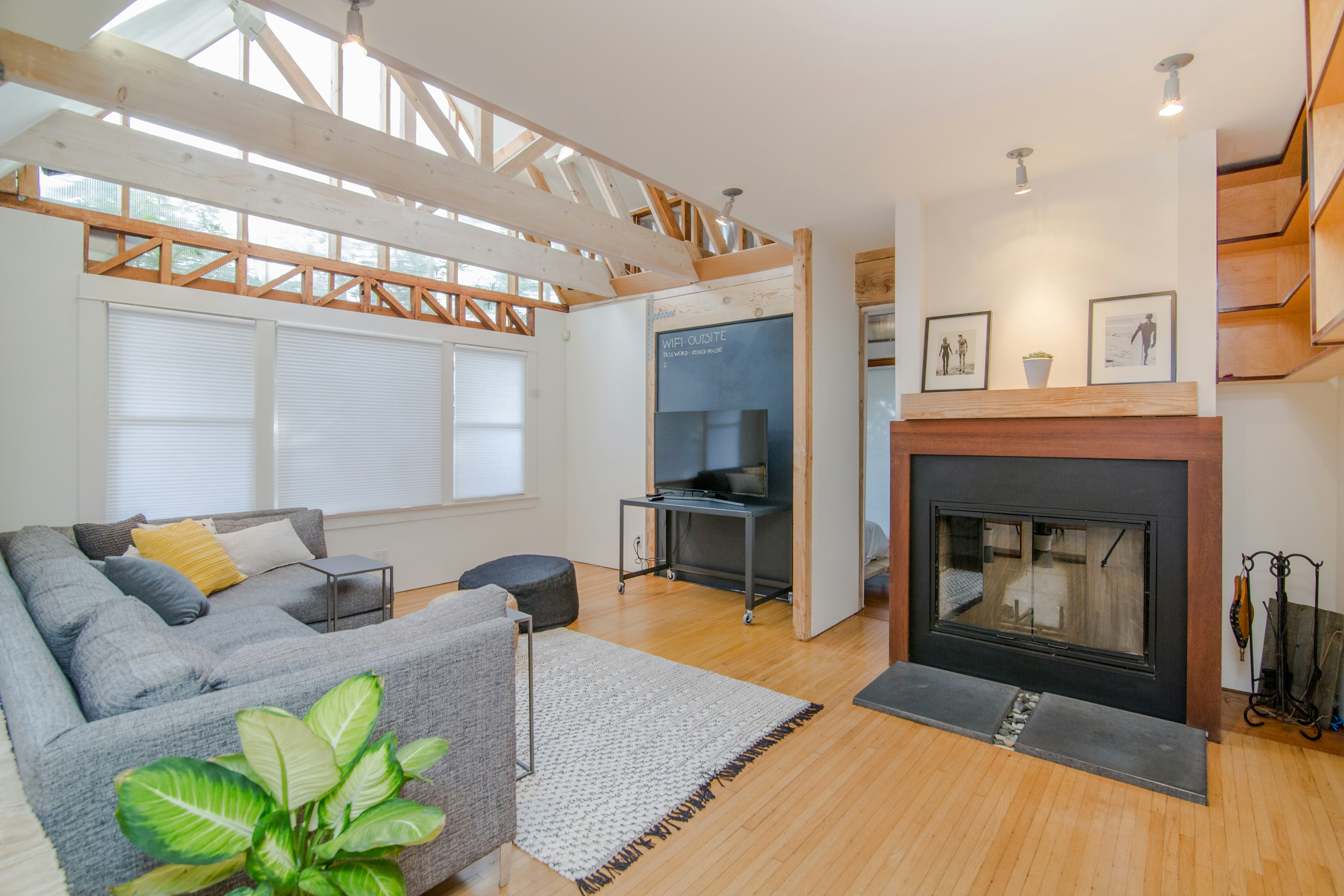
Converted flats often involve significant structural changes.
These may include:
- Removal of internal walls
- Addition of new floors or ceilings
- Alterations to the roof structure
- Installation of new access points
If these changes were not carried out correctly, they may affect the stability of the building.
A Level 3 Building Survey is often recommended to assess these risks.
Sound Insulation Issues
One of the most common issues in converted flats is poor sound insulation.
Buyers may experience:
- Noise from neighbouring flats
- Footstep sounds from upper floors
- Limited acoustic separation
This can affect comfort and long-term satisfaction with the property.
Fire Safety Considerations
Converted flats must meet fire safety requirements, but older conversions may not fully comply with modern standards.
Potential concerns include:
- Inadequate fire separation between units
- Lack of proper fire doors
- Insufficient escape routes
While surveys do not provide full compliance checks, surveyors may highlight visible concerns.
Damp and Ventilation Problems
Older buildings converted into flats may have ventilation challenges.
This can lead to:
- Condensation issues
- Damp in internal areas
- Poor airflow between rooms
Surveyors assess ventilation and look for signs of moisture-related problems.
Condition of the Overall Building
When buying a converted flat, it is important to consider the condition of the entire building.
Issues may include:
- Roof defects
- External wall deterioration
- Structural movement
- Drainage problems
Even if your flat appears in good condition, problems in the building can affect all units.
Shared Responsibilities and Maintenance
Converted flats often involve shared ownership of certain elements.
This may include:
- Roof and external walls
- Communal areas
- Structural components
Buyers should understand how maintenance responsibilities are divided and how costs are shared.
Quality of the Conversion Work
The quality of the original conversion can vary significantly.
Potential risks include:
- Poor workmanship
- Inadequate structural support
- Non-compliant alterations
A survey helps assess whether the conversion has been carried out to a reasonable standard.
Access Limitations During Surveys
Surveyors may have limited access when inspecting converted flats.
They may not be able to fully inspect:
- Other flats in the building
- Communal areas
- External structures
Despite this, they will assess visible elements and highlight potential concerns.
Choosing the Right Survey
A Level 2 Homebuyer Survey may be suitable for newer or well-maintained conversions.
However, a Level 3 Building Survey is often recommended for:
- Older converted properties
- Buildings with structural alterations
- Properties with visible defects
This provides a more detailed understanding of the building.
Why a Survey Is Essential for Converted Flats
Converted flats can present risks that are not immediately visible.
A survey helps buyers:
- Identify structural concerns
- Assess the quality of the conversion
- Understand potential maintenance issues
- Make informed decisions
This is particularly important for properties with complex construction.
Final Thoughts
Converted flats can offer great opportunities, but they require careful consideration.
Understanding the condition of the property and the building as a whole is essential.
A professional survey provides valuable insight into potential risks and helps buyers make confident decisions.
Need a Survey for a Converted Flat?
If you are purchasing a converted flat and want expert advice on its condition, our experienced surveyors can assist.
MSR Surveying provides:
- Level 2 Homebuyer Surveys
- Level 3 Building Surveys
- Reinspection Surveys
- Professional Consultants Certificates (PCC)
Contact us today to request a quotation and arrange your survey.