Introduction
Renovated properties are often highly appealing to buyers. Fresh interiors, modern finishes, and updated layouts can make a home look move-in ready and reduce the need for immediate work.
However, not all renovations are carried out to a high standard. In some cases, cosmetic improvements may hide underlying structural problems rather than resolve them.
This is why many buyers choose to arrange a Level 2 Homebuyer Survey or a Level 3 Building Survey before purchasing a renovated property.
A professional inspection helps identify potential issues that may not be visible during a viewing.
Why Renovated Properties Can Be Misleading
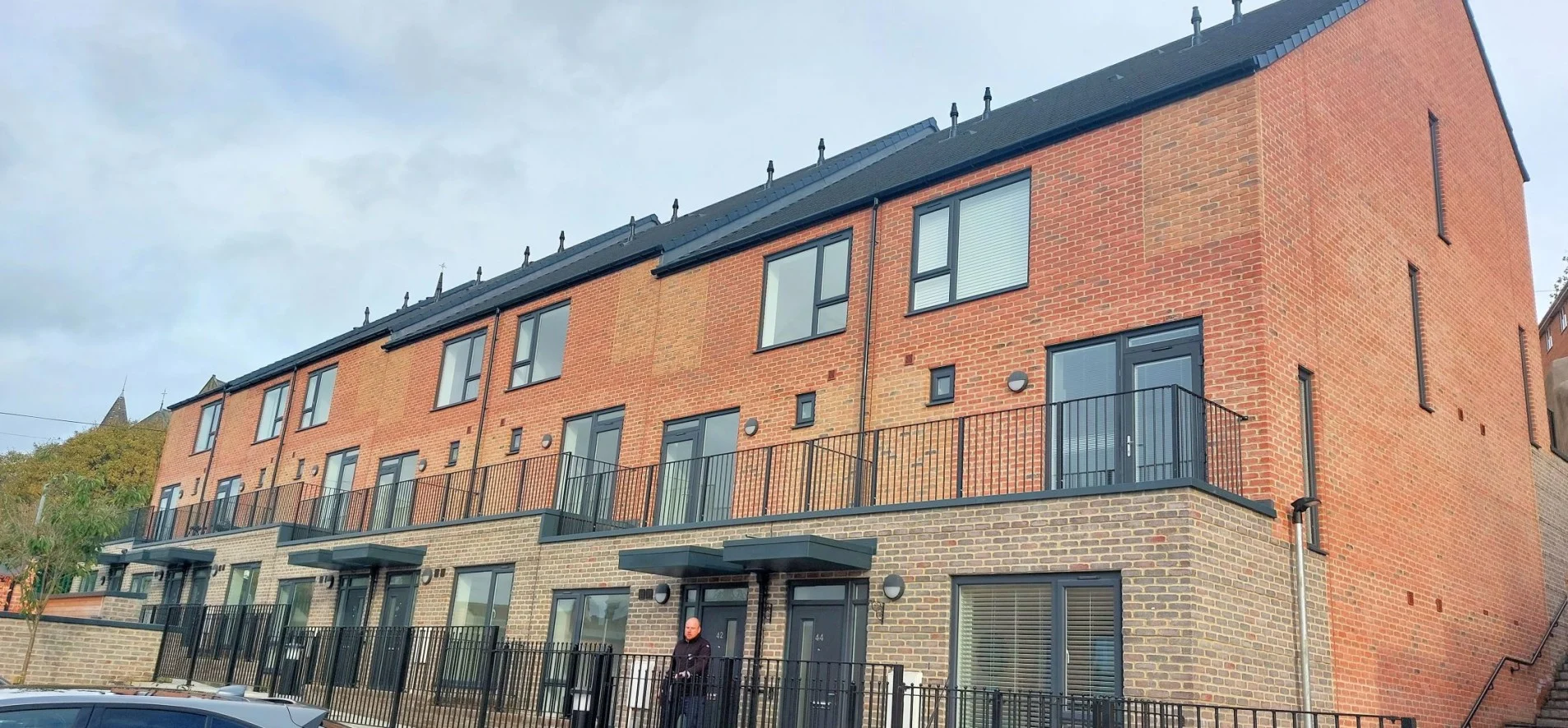
Renovations often focus on improving the visual appeal of a property.
Common upgrades include:
- Fresh plastering and painting
- New flooring
- Modern kitchens and bathrooms
- Updated lighting and fixtures
While these improvements enhance appearance, they do not always reflect the structural condition of the building.
In some cases, renovations may conceal problems that should have been addressed properly.
Structural Cracks Hidden by Plaster and Paint
One of the most common ways structural issues are concealed is through cosmetic repair work.
Cracks in walls may be:
- Filled with plaster
- Covered with wallpaper
- Painted over to match surrounding surfaces
While this may improve appearance, it does not address the underlying cause of the cracking.
A surveyor can identify signs of movement, even if cracks have been covered.
New Flooring Over Uneven Surfaces
New flooring can significantly improve the appearance of a property, but it can also hide problems beneath.
For example:
- Uneven floors may be concealed by laminate or carpet
- Damaged floorboards may be covered rather than repaired
- Structural issues with floor joists may not be visible
Surveyors assess floor levels and look for signs of movement or instability.

Loft Conversions and Structural Alterations
Loft conversions and internal alterations are common in renovated properties.
While these changes can add valuable space, they may also introduce structural risks if not carried out correctly.
Potential concerns include:
- Removal of load-bearing walls
- Inadequate structural support
- Alterations to roof structures
- Poor workmanship in conversions
A Level 3 Building Survey is particularly useful for assessing properties with significant structural alterations.
Hidden Damp Behind Finishes
Renovations often involve repainting or replastering walls, which can temporarily hide damp issues.
Damp may still be present behind:
- Newly plastered walls
- Decorative finishes
- Built-in furniture
Surveyors look for subtle indicators of damp, such as:
- Discolouration
- Odours
- Signs of poor ventilation
Identifying damp early can prevent further damage.
Poor Quality Workmanship
Not all renovation work is carried out by qualified professionals.
In some cases, poor workmanship may lead to long-term issues.
Examples include:
- Poorly fitted windows and doors
- Incorrect installation of insulation
- Inadequate structural support
- Low-quality materials
These issues may not be obvious during a viewing but can be identified during a survey.
Electrical and Plumbing Work Hidden from View
Renovations often involve updating electrical and plumbing systems.
However, these systems are usually hidden within walls and floors.
Potential concerns include:
- Outdated wiring that has not been fully replaced
- Poorly installed plumbing systems
- Lack of compliance with modern safety standards
While surveys do not test services, surveyors can identify visible concerns and recommend further inspection if necessary.
Why Professional Surveys Are Essential for Renovated Properties
A professional survey provides an independent assessment of the property and helps identify issues that may not be visible during a viewing.
A Level 2 Homebuyer Survey highlights visible defects and general condition concerns.
A Level 3 Building Survey provides a more detailed inspection and is recommended for properties that have undergone significant alterations or renovations.
This level of inspection helps buyers understand the true condition of the property.
How a Survey Can Protect Buyers
If hidden problems are identified during a survey, buyers have the opportunity to take appropriate action.
This may include:
- Renegotiating the purchase price
- Requesting repairs from the seller
- Planning future maintenance
- Reconsidering the purchase if necessary
This information helps buyers avoid unexpected costs after moving into the property.
Final Thoughts
Renovated properties can be attractive, but their appearance does not always reflect the true condition of the building.
Cosmetic improvements may hide underlying structural problems or defects that could lead to costly repairs.
Arranging a professional survey ensures that buyers understand the condition of the property before committing to the purchase.
Need a Property Survey?
If you are purchasing a renovated property and would like professional advice on its condition, our experienced surveyors can assist.
MSR Surveying provides:
Contact our team today to request a quotation and arrange your survey.