
Introduction
Weather conditions in the UK can have a significant impact on the condition of residential properties. Over time, exposure to rain, wind, frost, and temperature changes can lead to deterioration in various parts of a building.
While many of these issues develop gradually, they can eventually cause structural damage or costly repairs if not identified early.
For property buyers, understanding how weather can affect a building is important when assessing the condition of a home. This is one of the reasons why many buyers arrange a Level 2 Homebuyer Survey or a Level 3 Building Survey before purchasing a property.
A professional inspection can help identify signs of weather-related damage and provide guidance on potential maintenance requirements.
Heavy Rain and Water Penetration
Rainfall is one of the most common causes of property deterioration in the UK.
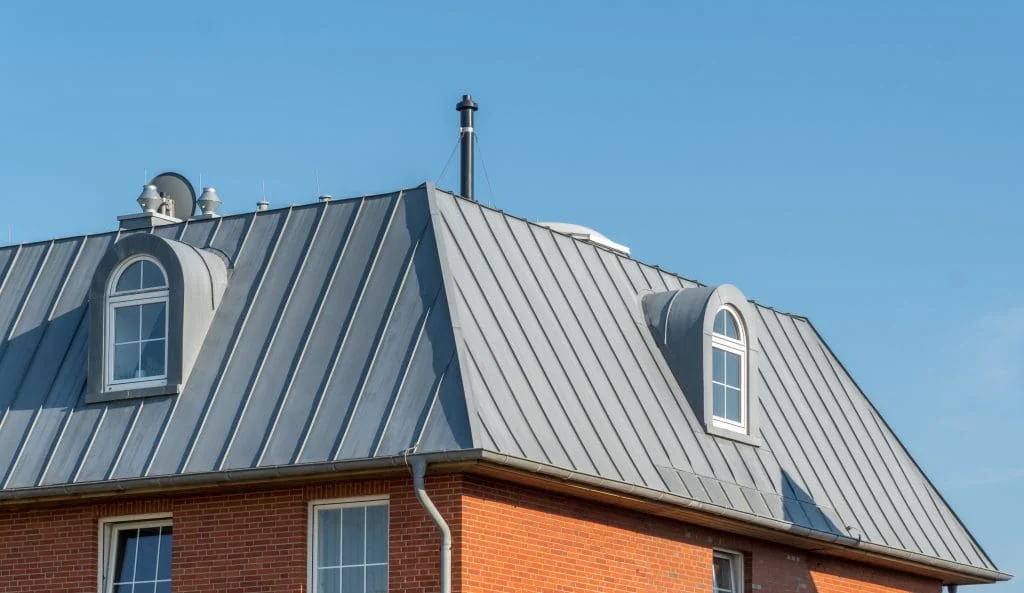
Over time, rainwater can enter the structure of a building through defects in the roof, damaged brickwork, or poorly maintained guttering.
Common signs of rain-related damage include:
- Damp patches on walls or ceilings
- Water staining around windows
- Peeling paint or damaged plaster
- Moss growth on external surfaces
If rainwater continues to penetrate the building structure, it may lead to damp problems and deterioration of internal materials.
Roof Damage from Wind and Storms
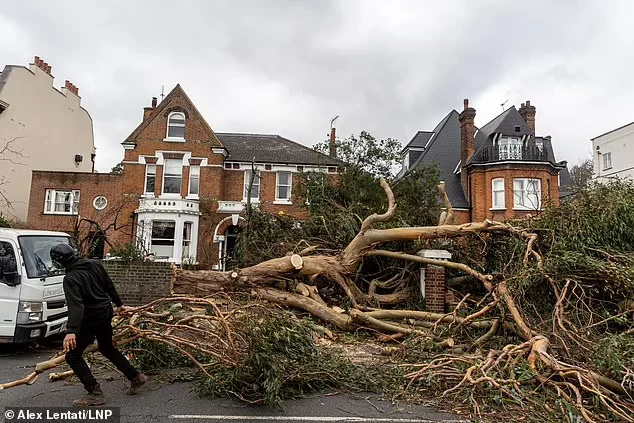
Strong winds and storms can cause significant damage to roofing materials.
Roof tiles, slates, and flashing can become dislodged or damaged during severe weather conditions.
Common storm-related roof problems include:
- Missing roof tiles
- Cracked or displaced slates
- Damaged flashing around chimneys
- Blocked or broken gutters
Because roof defects are not always visible from ground level, a professional survey is often necessary to assess the condition of the roof properly.
Frost Damage to Brickwork and Masonry
Cold weather can also affect the structural materials of a building.
When water enters small cracks in brickwork and then freezes, it expands. This process can gradually cause the surface of bricks to deteriorate.
This type of damage is often known as frost damage or spalling.
Signs of frost damage may include:
- Flaking brick surfaces
- Crumbling mortar joints
- Loose or damaged bricks
If left untreated, this type of deterioration can weaken the structure of external walls.
Blocked Gutters and Drainage Problems
Guttering and drainage systems play an important role in directing rainwater away from the property.
If gutters become blocked with debris such as leaves or moss, water may overflow and run down the external walls.
This can lead to:
- Damp penetration
- Staining on brickwork
- Damage to external render
- Water pooling near the foundations
Regular maintenance of gutters and drainage systems can help prevent these problems.
Damage Caused by Temperature Changes
Changes in temperature can also affect the condition of building materials.
In the UK climate, buildings are often exposed to cycles of heating and cooling. These temperature changes can cause materials to expand and contract over time.
This may lead to:
- Small cracks in plaster or brickwork
- Movement in building materials
- Deterioration of sealants around windows and doors
Although minor cracking is often harmless, larger cracks may require further investigation.
Long-Term Effects of Weather Exposure
Over many years, continuous exposure to weather can gradually weaken parts of a building.
External elements such as roofing materials, timber structures, and brickwork may deteriorate if they are not properly maintained.
Older properties may be particularly vulnerable to weather-related damage because they were built using traditional construction methods and materials.
A Level 3 Building Survey is often recommended for older properties to provide a more detailed inspection of the building structure.
How a Survey Can Identify Weather-Related Damage
Professional surveyors are trained to identify signs of deterioration caused by weather exposure.
During a survey, the inspection may include assessment of:
- Roof coverings and chimneys
- External walls and mortar joints
- Drainage systems and guttering
- Windows and external doors
- Signs of damp or water penetration
The survey report will explain any defects identified and provide guidance on potential repair or maintenance requirements.
Preventing Weather Damage
Although weather cannot be controlled, regular maintenance can help reduce the risk of damage to a property.
Common preventative measures include:
- Maintaining roofing materials
- Cleaning gutters regularly
- Repairing damaged brickwork or mortar joints
- Ensuring proper drainage around the property
These maintenance steps can help protect the building structure from long-term deterioration.
Final Thoughts
Weather conditions in the UK can gradually affect the condition of residential properties. Rain, wind, frost, and temperature changes may all contribute to the deterioration of building materials over time.
For property buyers, identifying weather-related damage before purchasing a home is essential.
A Level 2 Homebuyer Survey or Level 3 Building Survey can provide valuable insight into the condition of the property and highlight any areas that may require attention.
Need a Property Survey?
If you are purchasing a property and would like professional advice on its condition, our experienced surveyors can assist.
MSR Surveying provides:
Contact our team today to request a quotation and arrange your survey.