

Introduction
When purchasing a property, arranging a professional survey is an important step in understanding the condition of the building. Many buyers choose a Level 2 Homebuyer Survey because it provides a clear and practical overview of the property’s condition.
However, many buyers are unsure what actually happens during the inspection. Understanding the process can help you know what to expect and why a survey is an essential part of the property purchase.
In this guide, we explain what happens during a Level 2 Homebuyer Survey, what the surveyor checks, and how the report helps buyers make informed decisions.
What Is a Level 2 Homebuyer Survey?
A Level 2 Homebuyer Survey is a professional inspection carried out by a qualified surveyor to assess the visible condition of a property.
This survey is designed for homes that:
- Are built using standard construction methods
- Appear to be in reasonable condition
- Have not been significantly altered or structurally modified
The survey provides a clear overview of the property’s condition and highlights any defects that may require attention.
Step 1: External Inspection of the Property
The survey begins with a detailed inspection of the exterior of the property.
The surveyor will examine:
- External walls and brickwork
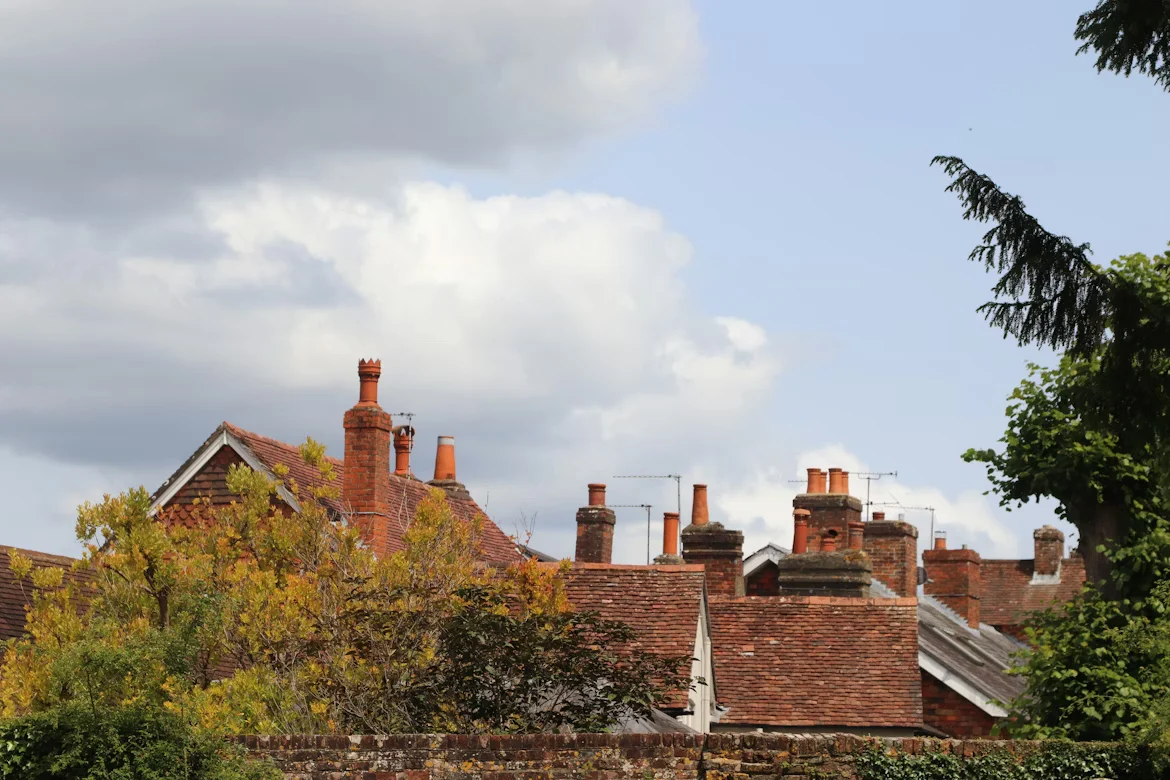
- Roof coverings and chimney stacks
- Windows and doors
- Gutters and drainage systems
- Boundary walls and fences
This stage helps identify defects such as structural cracks, damaged brickwork, or roof problems that may affect the property.
Step 2: Roof and Chimney Assessment
The roof is one of the most important structural elements of a property.
During the inspection, the surveyor will assess:
- Roof tiles or slates
- Chimney stacks
- Flashings around roof structures
- Roof ventilation
Where access is available, the surveyor may also inspect the roof space to check the condition of roof timbers and insulation.
Step 3: Inspection of Internal Areas
The surveyor will then inspect the internal areas of the property.
This includes examination of:
- Walls and ceilings
- Floors and floor structure
- Staircases
- Internal doors and windows
- Signs of structural movement
The surveyor will also look for indicators of damp, condensation, or structural defects that may not be obvious during a normal viewing.
Step 4: Checking for Damp and Moisture Problems
Damp is one of the most common issues found in UK properties.
During the survey, the surveyor will check for:
- Rising damp
- Penetrating damp
- Condensation problems
- Ventilation issues
Visible signs such as staining, mould, or damaged plaster can indicate underlying moisture problems.
Step 5: Inspection of Windows and Doors
Windows and doors are checked to ensure they are structurally sound and functioning properly.
The surveyor will assess:
- Frame condition
- Signs of rot in timber windows
- Failed double glazing
- Alignment of doors and frames
These elements are important for both energy efficiency and security.
Step 6: Observation of Services
Although the survey does not involve testing services, the surveyor will make visual observations regarding:
- Electrical installations
- Plumbing and pipework
- Heating systems
If potential concerns are identified, the surveyor may recommend further inspection by qualified specialists.
Step 7: External Grounds and Drainage
The surveyor will also inspect the external surroundings of the property.
This includes assessment of:
- Drainage systems
- Ground levels around the property
- Paths and driveways
- Garden structures where relevant
Poor drainage or incorrect ground levels can contribute to damp or structural problems.
Understanding the Survey Report
After the inspection, the surveyor prepares a detailed report outlining the findings.
The Level 2 Homebuyer Survey report uses a traffic light rating system:
Condition Rating 1
No repair is currently required.
Condition Rating 2
Defects that require attention but are not urgent.
Condition Rating 3
Serious defects that require urgent repair or further investigation.
This system makes it easy for buyers to understand the severity of issues identified during the survey.
How a Homebuyer Survey Helps Property Buyers
The information provided in the survey report can help buyers make informed decisions.
If defects are identified, buyers may choose to:
- Renegotiate the purchase price
- Request repairs from the seller
- Plan future maintenance
- Reconsider the purchase if major issues are discovered
This insight can potentially save buyers significant amounts of money.
When Should You Consider a Level 3 Building Survey?
In some situations, a Level 3 Building Survey may be more appropriate.
This more detailed survey is recommended for:
- Older properties
- Listed buildings
- Houses with structural alterations
- Buildings constructed using non-standard materials
A RICS Level 3 Building Survey provides a more comprehensive inspection and detailed repair advice.
Final Thoughts
A Level 2 Homebuyer Survey provides valuable insight into the condition of a property before purchase. By identifying visible defects and maintenance concerns, the survey helps buyers make informed decisions and avoid unexpected repair costs.
Arranging a survey ensures you have a clear understanding of the property’s condition before completing the purchase.
Need a Property Survey?
If you are purchasing a property and require professional advice on its condition, our experienced surveyors can help.
MSR Surveying provides:
Contact our team today to request a quotation and arrange your survey.